
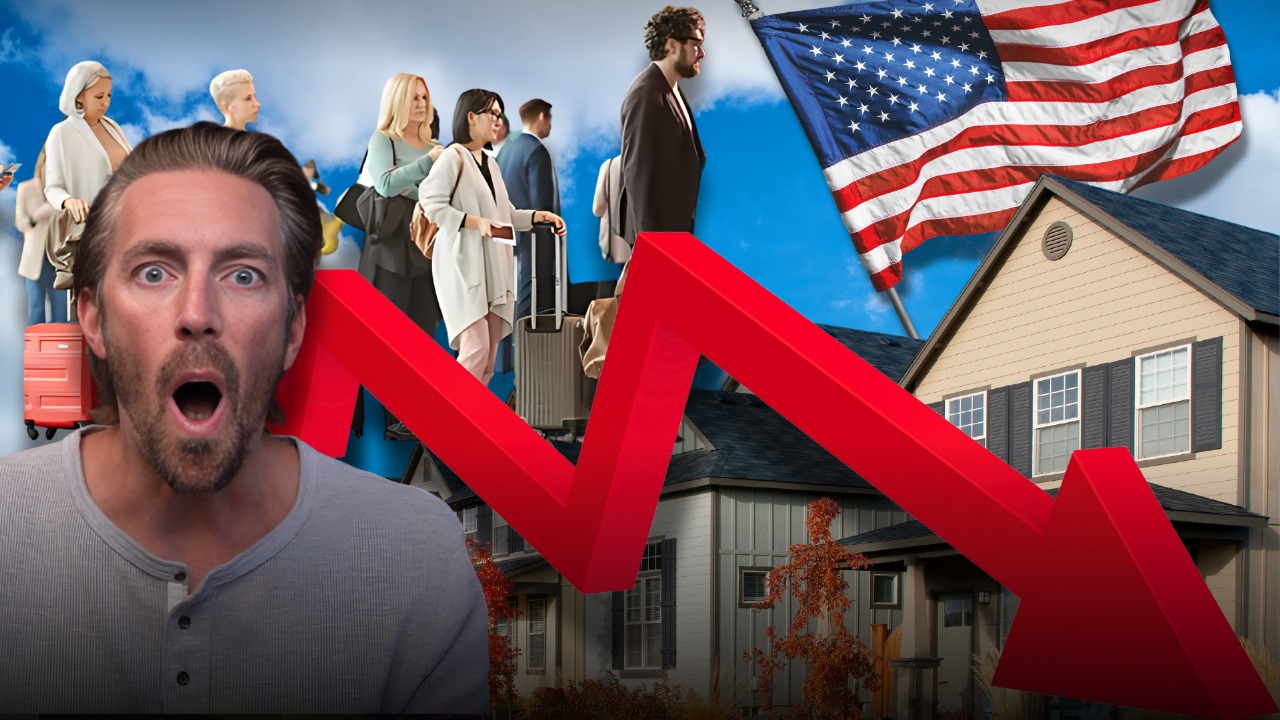
The US housing shortage is a big deal right now. With demand for affordable housing skyrocketing, some people think cutting immigration might help ease the pressure.

The US housing shortage is a big deal right now. With demand for affordable housing skyrocketing, some people think cutting immigration might help ease the pressure. The idea is that fewer people entering the country would mean less demand for housing. But is it really that simple? Spoiler alert: it’s not. While reducing immigration might offer a short-term fix, it doesn’t tackle the root causes of the housing crisis and could actually cause more problems.
We’re not building enough new homes fast enough. This is due to things like strict regulations, high construction costs, and limited land in popular areas. On top of that, more people are moving to cities and household sizes are getting smaller, which increases the need for housing. Home prices have been rising much faster than incomes, making it tough for many people to afford a place to live. And in some areas, investors are snapping up properties, driving up prices and reducing the availability of affordable housing.
Reducing immigration might seem like a quick fix, but it could lead to several negative outcomes. Less immigration could slow economic growth, leading to fewer jobs and lower incomes, which could make the housing affordability crisis even worse. The construction industry and other sectors might struggle to find enough workers, slowing down the pace of building new homes. Immigrants help balance out the aging population. Reducing immigration could mess with this balance, impacting long-term economic stability and housing demand. The impact of immigration isn’t the same everywhere. Some areas might benefit from reduced immigration, while others could suffer from slower economic activity and less housing development.

Reducing immigration might seem like a quick fix, but it could lead to several negative outcomes. Less immigration could slow economic growth, leading to fewer jobs and lower incomes, which could make the housing affordability crisis even worse. The construction industry and other sectors might struggle to find enough workers, slowing down the pace of building new homes. Immigrants help balance out the aging population. Reducing immigration could mess with this balance, impacting long-term economic stability and housing demand. The impact of immigration isn’t the same everywhere. Some areas might benefit from reduced immigration, while others could suffer from slower economic activity and less housing development.

To really fix the housing shortage, we need to address the root causes. Removing regulatory barriers, incentivizing affordable housing development, and investing in infrastructure can help increase the housing supply. Expanding affordable housing programs, providing subsidies, and supporting non-profit housing developers can make housing more accessible. Policies that promote economic growth, create jobs, and boost incomes can help improve housing affordability. Planning that considers diverse housing needs and promotes sustainable development can help balance supply and demand.
Cutting immigration isn’t the magic fix for the US housing shortage. While it might reduce some demand pressures in the short term, it doesn’t address the deeper issues driving the crisis. Plus, reducing immigration could have negative side effects on the economy, labor market, and demographic balance. The best way forward is to focus on comprehensive policies that increase housing supply, improve affordability, and promote sustainable economic growth. By tackling the root causes, we can create a more resilient and inclusive housing market that works for everyone.
Location
2020 Lomita Blvd,
Torrance, CA 90101
United States
Pages
Follow us